Back in 2004, Nokia launched the 7610 and changed how people saw mobile phones. It was not just a phone. It felt like a small computer in your pocket. With Symbian OS and a 1MP camera, it gave users new power.
At Rs 15,000, it was a premium device at that time. Tech lovers used it for MMS, video clips, and early mobile apps. Even in 2026, collectors and fans still celebrate this legend.
Design That Felt Ahead of Time
The Nokia 7610 measured 109 x 53 x 19 mm and weighed 118g. It felt compact and easy to hold. Small hands could use it without trouble.
Its slider design revealed a QWERTY keyboard. This made typing emails easy during long bus or train rides. It felt smart and modern.

It came in Ruby Red and Onyx Black colors. These shades stood out in college corridors. The mini-SIM slot held the card tightly, even during crowded festivals.
Display and Storage Details
The phone had a 2.1-inch TFT LCD display. It showed 176 x 208 pixels at 130ppi. Users could browse websites and see contacts in full color.
It had 1MB internal storage. An RS-MMC slot supported up to 64MB cards. This allowed users to store MP3 songs and ringtones.
Here is a quick look at the main design specs:
| Feature | Specification |
|---|---|
| Dimensions | 109 x 53 x 19 mm |
| Weight | 118 g |
| Display | 2.1-inch TFT LCD, 176 x 208 pixels, 130ppi |
| Storage | 1MB internal, RS-MMC up to 64MB |
| Connectivity | Tri-band GSM 900/1800/1900 |
| Colors | Ruby Red, Onyx Black |
Even without 3G, tri-band GSM worked well in cities and villages. Calling felt reliable. The slider design gave users a small taste of the smartphone future.
1MP Camera That Started a Trend
The Nokia 7610 had a 1MP VGA camera with 4x digital zoom. It captured clear daylight photos. It could also record 10-minute video clips at 640 x 480 resolution.
This was years before YouTube became popular in India. An LED flash helped in low light. A self-timer made group photos easy.

Movie Director mode allowed date stamps and custom titles. The built-in editor helped crop images. It felt like early Instagram before Instagram existed.
There was no autofocus, but landscape and portrait modes worked well. White balance presets kept skin tones natural. MMS compression reduced photo size from 300KB to 40KB, making sharing fast and simple.
Here are the camera details:
| Camera Feature | Details |
|---|---|
| Sensor | 1MP VGA |
| Zoom | 4x digital |
| Video | 640 x 480, 10 min clips |
| Flash | LED |
| Modes | Landscape, Portrait, Self-timer, Movie Director |
Battery That Refused to Quit
The Nokia 7610 used a 900mAh BL-5C battery. It offered up to 250 hours standby time. Talk time went up to 3 hours.
One full charge lasted through full day college events. The battery was removable, which made swapping easy. The Pop-Port charger worked with car chargers and even hostel generators.
Vibration alerts were strong enough to feel in jeans pockets. It had 39 polyphonic ringtones that could be heard in noisy places. There was even a built-in torch for blackouts.
Built Like a Tank
The Nokia 7610 became famous for durability. Some phones survived washing machines and terrace falls. Even after damage, the motherboard often worked fine.
Engineering students installed custom firmware. They used it for DivX videos and early VoIP calls. This was before apps like WhatsApp became common.
Repair costs were low. Slider repairs cost around Rs 200. Compared to modern screen repairs of Rs 20,000, this felt simple and smart.
Second-hand markets loved this phone. Ruby Red models sold for Rs 5,000 or more. It became more than a device. It became a memory holder.
Easy to Own and Maintain
At Rs 15,000, it was premium but still reachable. Parts were available even years later. Batteries cost around Rs 300, and keypads cost around Rs 150.
Full rebuilds were possible for around Rs 800. The resale value stayed around 65 percent. Many families passed it down like a digital heirloom.

Compared to flashy Sony Ericsson cameras or the slim Motorola Razr, the 7610 focused on real computing power. Many repairmen still say, “A Nokia 7610 never truly dies.”
Nostalgia and Modern Influence
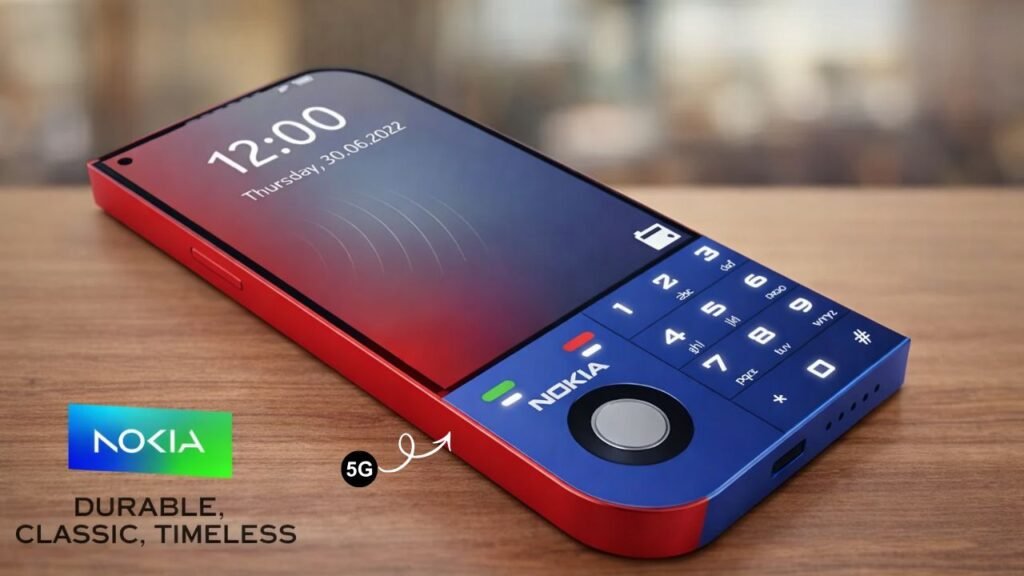
In 2026, concept models mix the old slider style with modern hardware. Some versions show AMOLED screens and USB-C ports. Some even imagine 108MP cameras inside the classic body.
YouTube creators still show Symbian hacks. Some even try running modern apps in limited form. The return of feature phones supports digital detox trends.
Original units now sell for Rs 8,000 or more. Modders improve features while keeping the old charm. The 7610 proves simple design can last longer than flashy trends.
Why Nokia 7610 Is Still Legendary
The Nokia 7610 offered calling, messaging, photography, and computing in one device. Its Symbian OS allowed multitasking. The battery lasted long, and the design stayed strong.
It gave India’s early mobile users a powerful tool. Whether you search for it on OLX or watch videos about it, the phone still inspires. True innovation never fades.
Disclaimer – This article is for general information and nostalgic purposes only. Prices and resale values mentioned are based on past and collector market trends and may change over time. Specifications are based on original launch details from 2004. Availability of parts and devices may vary by region. Always verify product condition before buying second-hand units. We are not responsible for any purchase decisions based on this content.
FAQs
When was Nokia 7610 launched?
It was launched in 2004.
What was its camera resolution?
It had a 1MP VGA camera.
Did it support 3G?
No, it supported tri-band GSM only.
How much did it cost at launch?
It was priced at Rs 15,000.
Is it still available today?
Yes, mainly in second-hand markets.